
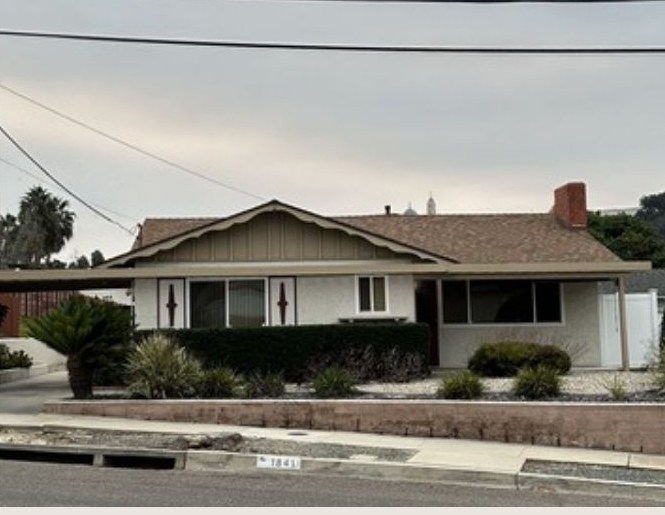


Water damage in National City homes
Cast iron drain lines, galvanized supply pipes and original water heaters are common in National City homes, and they fail with age. If a repair uncovers more deteriorated plumbing, it is usually cheaper to replace it while the walls are open than to come back later.
Older homes may also have materials that need testing before they are disturbed, such as some textured ceilings, plaster and old flooring. Testing should happen before demolition, not after.
Raised-floor homes can hide water damage in the crawlspace. If there was a leak, check the subfloor and joists, not just the finished floor.
Mitigation first, then the rebuild
Water damage repair happens in two stages. First comes mitigation: stopping the source, extracting water, removing damaged materials and drying the structure, along with mold remediation if mold has grown. That work is done by a water mitigation or mold remediation specialist.
All Pro Contractor handles the second stage: reconstruction. Once the area is dry and cleared, we rebuild what was removed and bring the space back to a finished, usable condition.
What a National City rebuild usually covers
Older construction changes the repair. Plaster walls, raised floors and original plumbing each add work that a newer home would not need.
- Plaster and lath repair, or replacement with drywall where the plaster cannot be saved.
- Subfloor and joist repairs in raised-floor homes.
- Flooring, baseboards and trim to match the rest of the house.
- Kitchen and bathroom cabinets, counters and tile.
- Replacement of deteriorated supply or drain lines while the walls are open, through a licensed plumber.
- Insulation, texture and paint.
Working with your insurance claim
If you have an insurance claim, share the adjuster's scope, photos and any mitigation reports with us. That helps us estimate the rebuild accurately and point out anything the scope missed. You remain in charge of your claim; we provide a clear written estimate for the reconstruction work.